How to Verify CE Compliance for Industrial Power Supplies Before Importing
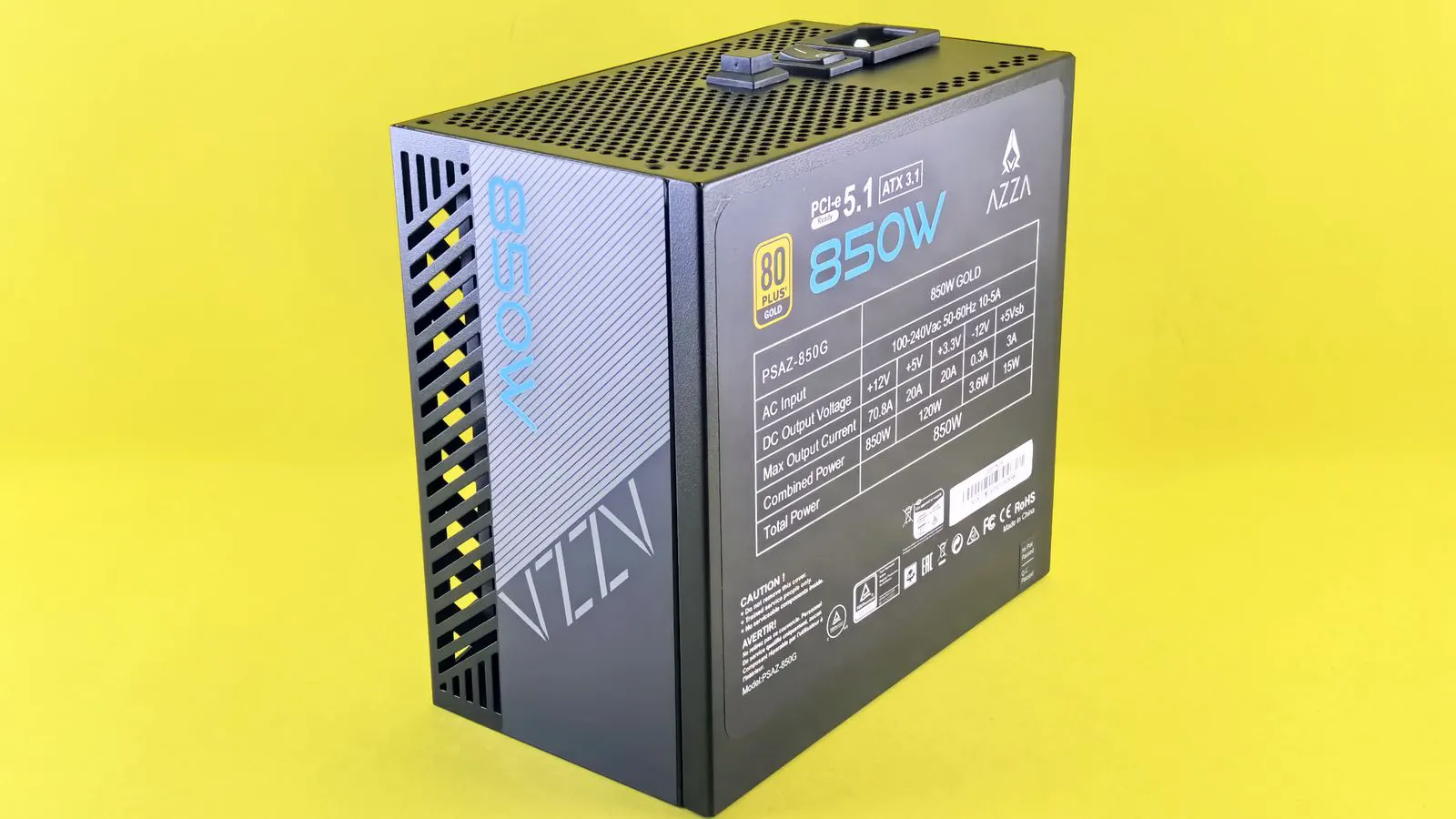
Verify CE compliance power supply status by confirming the CE marking is correct, the EU Declaration of Conformity is present, and the technical file is complete. This process prevents customs rejection and protects your business from non-compliant equipment.
- Check that the CE marking is permanent and clearly visible on the power supply unit.
- Verify the EU Declaration of Conformity lists the specific model and applicable directives.
- Confirm the manufacturer provides a technical file containing test reports and risk assessment.
- Keep records of all compliance documents for at least four years after placing equipment on the market.
- Do not assume CE marking alone guarantees safety. The marking indicates self-declaration under specific rules.
Why CE Marking Alone Is Not Enough
The CE marking on an industrial power supply is a legal declaration, not a quality seal. It means the manufacturer has assessed the product against applicable European Union directives and concluded it meets the essential health, safety, and environmental requirements. For low-voltage equipment, this usually falls under the Low Voltage Directive. For equipment containing batteries or specific hazardous substances, other directives may apply.
Many importers stop at the label. They see the CE mark and assume the unit is safe for the European market. This approach fails in practice. Customs brokers and market surveillance authorities can request documentation that proves the marking is valid. Without the underlying technical file and declaration, a shipment can be blocked. In some cases, the importer becomes liable for distributing non-compliant equipment.
The process of verifying CE compliance for a power supply is not a single check. It is a chain of documentation and physical inspection. This guide breaks down the steps to confirm your power supply is legally compliant for the European market.
Before You Start: What You Need
Before you begin the verification process, gather specific documents from the supplier. Do not rely on a general website page. You need model-specific data.
- EU Declaration of Conformity (DoC): This is a legal document. It must be in a language understood in the destination member state, which is often English. It must identify the manufacturer, the specific model number, and the applicable directives.
- User Manual and Safety Information: The manual must be in the language of the market where the power supply is sold. For the European Economic Area, English is generally acceptable, but local languages may be required depending on the specific member state regulations.
- Technical File: This is a collection of documents kept by the manufacturer. It includes design drawings, risk assessment, test reports, and quality control records. You may not receive the full technical file, but you should request a summary or the test reports.
- Physical Unit: You need the actual power supply to inspect the marking and labeling.
If a supplier cannot provide the EU DoC for the specific model number you are buying, stop. Do not proceed.
Step-by-Step Verification Process
This is the core of the verification. Follow these steps in order. Each step builds on the previous one.
-
Inspect the CE Marking on the Unit
Look at the power supply enclosure. The CE marking must be legible, indelible, and proportionate to the size of the unit. It should not be printed on a sticker that can peel off, unless the sticker is designed to last the life of the product. If the marking is faint, scratched, or only visible on a manual cover, the unit fails basic compliance. The marking indicates the product has been assessed for conformity. If it is missing or obscured, the manufacturer has not met the marking requirements. -
Check the Model Number and Serial Number
Compare the model number on the physical label with the model number in the EU Declaration of Conformity. These must match exactly. A common mistake is buying a “similar” model. A power supply with a different output voltage, even if it is the same brand and series, is a different product. The compliance documentation for a 24V unit does not automatically cover a 48V unit. If the DoC lists “Model A” but your unit is “Model A-48”, the document is invalid for your specific purchase. -
Verify the Applicable Directives in the DoC
Read the EU Declaration of Conformity carefully. It must list the specific directives applied. For most industrial power supplies, this includes the Low Voltage Directive. If the power supply contains a battery or is a battery-powered device, the Battery Directive may apply. If it is a medical device or has specific safety functions, other directives might be relevant. The DoC must state that the product meets the essential requirements of these directives. If the list is generic or vague, it is insufficient. -
Confirm the Manufacturer and Responsible Person
The EU DoC must name the legal manufacturer. This is the entity that takes responsibility for the product. For imports from outside the EU, you may also need to identify the Authorized Representative. This is a legal requirement for non-EU manufacturers. Check if the supplier has appointed a representative in the EU. This person must be able to provide access to the technical file and handle market surveillance requests. Without this, the product cannot legally be placed on the market. -
Review the Technical File Summary
Request a summary of the technical file or the relevant test reports. You are looking for evidence of the risk assessment. For a power supply, this usually includes electrical safety tests, electromagnetic compatibility (EMC) tests, and environmental testing. The test reports should be from a recognized testing laboratory. While you do not need to verify the lab’s accreditation yourself, you should check that the reports are recent and correspond to the specific design of the unit. If the supplier cannot provide test reports, the compliance claim is weak. -
Check for Mandatory Additional Markings
Beyond the CE mark, industrial power supplies often require other markings. Look for the IP rating (Ingress Protection) if the unit is intended for dusty or wet environments. Check for temperature rating, voltage rating, and frequency. If the unit is intended for use in hazardous areas, it will need ATEX or IECEx marking. The CE marking does not cover hazardous area requirements. These are separate and must be verified independently. If your application requires an IP65 rating, the label must say IP65. If it only says IP20, it is not compliant for your intended use. -
Verify the Date of Manufacture or Import
Check the date code on the unit or the date on the documentation. CE compliance is not static. If the product design changes, new compliance assessments are required. A unit manufactured five years ago with a different internal component layout may not be compliant with current standards or technical changes in the directives. Ensure the documentation you have received is current and refers to the production batch you are importing.
| Document | Purpose | Common Failure Point |
|---|---|---|
| CE Marking | Indicates conformity with EU directives | Faded, missing, or on removable sticker |
| EU DoC | Legal statement of conformity | Model mismatch, missing directives |
| Technical File | Evidence of risk assessment | Not provided, outdated, generic |
| User Manual | Safety instructions | Wrong language, missing warnings |
| Test Reports | Proof of testing | Not from recognized lab, outdated |
Common Mistakes to Avoid
Importers make several predictable errors when verifying CE compliance. The most common is assuming that a brand name equals compliance. A power supply from a well-known brand may have a specific model that is not CE marked, or the CE marking may be for a different variant. Always check the specific unit.
Another mistake is ignoring the technical file. Many buyers think the CE marking and the DoC are enough. They are not. The technical file is the backbone of the compliance claim. If market surveillance officials request it and the manufacturer cannot provide it, the product is non-compliant.
A third error is buying from secondary channels. If you are buying from a third-party reseller rather than the manufacturer or an authorized distributor, the documentation may be missing or incomplete. The reseller does not have the technical file. You are relying on their paperwork, which may be copied or outdated. Buy directly from the source if possible.
Final Verification Step
Once you have completed the steps above, perform a final check. Print out the EU DoC. Print out the test reports. Place them next to the physical power supply. Read the model number on the unit. Read the model number on the DoC. Compare them. Read the IP rating on the unit. Read the IP rating in the technical summary. Compare them.
If everything matches, you have a strong case for compliance. If there is any discrepancy, contact the supplier immediately. Do not import the shipment until the issue is resolved. Customs brokers can reject a container for minor documentation errors. The cost of delay and rework far exceeds the cost of a compliant power supply.
Keep these documents in a secure location. You may need to provide them to customs, to your insurance provider, or to a market surveillance authority. Retain the records for the lifetime of the product. This is not optional. It is a legal requirement.
When to Consult a Specialist
If your power supply is used in a high-risk environment, such as a medical device, a machine with safety functions, or a hazardous area, the verification process is more complex. The applicable directives and standards are stricter. The technical file must include specific tests for those conditions. In these cases, do not rely on general verification. Engage a compliance consultant or a testing laboratory. They can review your specific application and confirm if the product meets the stricter requirements.
For standard industrial power supplies used in general industrial environments, the steps above are sufficient. For specialized applications, seek expert advice. The risk of non-compliance is higher, and the consequences are more severe.
Conclusion
Verifying CE compliance for an industrial power supply is a necessary part of importing into the European market. It protects you from customs delays, legal liability, and safety risks. Follow the steps in this guide. Check the marking, the documentation, and the technical file. Do not skip any step. A compliant power supply is not just a label. It is a set of documented facts. Verify them all.
Frequently asked questions
Can I trust a CE marking on a sticker?
The CE marking must be legible and indelible. A sticker is acceptable only if it is designed to remain attached for the life of the product. If it peels or fades, the marking is invalid.
Do I need the technical file if I am the final user?
You do not need to keep the full technical file if you are the final user. However, if you are the importer or distributor, you are responsible for ensuring the manufacturer has it. Keep a copy of the EU DoC and test reports for your records.
What if the power supply is from outside the EU?
The manufacturer must appoint an Authorized Representative in the EU. The EU DoC must list this representative. Check that this is done before importing.
Is UL compliance required in Europe?
UL compliance is not required for the European market. CE compliance is. However, UL certification can be useful as evidence of quality and safety. It is not a substitute for CE marking.
How long do I need to keep the compliance documents?
Keep the technical file and EU DoC for the lifetime of the product. Many companies keep them for at least four years after the last unit of that model is sold. Check your local regulations for specific retention periods.