Buyers Guide: Choosing a Certified Industrial Power Supply for Harsh Environments
A certified industrial power supply must match the site hazards. Evaluate IP ratings, temperature tolerance, surge protection, and region-specific safety marks like CE or UL to ensure reliable operation and regulatory compliance in difficult conditions.
- Match the IP rating and thermal specifications to the specific site hazards, such as dust, moisture, or high heat.
- Verify that safety certifications align with the destination market, as requirements differ between regions.
- Check surge protection and transient response to protect downstream equipment from electrical disturbances.
- Inspect the physical build for corrosion resistance and accessible maintenance points.
Choosing a power supply for a harsh environment requires more than checking voltage and current ratings. A certified industrial power supply must survive the specific conditions of the installation site while meeting the safety regulations of the local market. The failure modes are distinct here. A unit that works perfectly in a clean office rack will fail in a wet, dusty, or high-temperature plant floor.
How to Match IP Ratings to Site Conditions
The Ingress Protection rating defines what the enclosure blocks. A low IP rating, such as IP20, protects only against solid objects larger than a finger. It offers no defense against dust or liquids. For most harsh industrial settings, you need a higher rating.
An IP54 rating protects against dust entering the unit and water splashes from any direction. This is a common baseline for general factory floors where misting systems or occasional leaks occur. For areas with heavy dust, such as grinding or sandblasting zones, IP55 or IP65 is often required. IP65 offers protection against dust ingress and water jets. IP66 provides protection against powerful water jets, which is necessary for washdown areas or outdoor installations exposed to heavy rain.
Do not assume the power supply itself has the rating. The rating applies to the enclosure. If the power supply has IP20, you must install it in a custom enclosure that raises the protection level. Ensure the enclosure door gaskets are intact and that cable glands are properly sealed. A leak at a cable entry point defeats the entire rating of the enclosure.
| Criterion | What to look for | Why it matters |
|---|---|---|
| IP Rating | IP54 or higher for wet/dusty areas | Prevents dust and moisture ingress that causes short circuits or corrosion. |
| Operating Temperature | -40°C to +70°C or wider | Ensures capacitors and transistors do not degrade prematurely in heat. |
| Surge Protection | TVS diodes or MOVs inside | Protects sensitive loads from transient voltage spikes on the AC line. |
| Safety Certification | CE, UL, or local equivalent | Guarantees compliance with electrical safety and health regulations. |
| EMI Filter | Built-in filter or external requirement | Reduces electromagnetic interference that disrupts control systems. |
What Thermal Limits Mean for Long-Term Reliability
Industrial power supplies generate heat. The datasheet lists a maximum operating temperature, but this is the upper limit, not the target. In a harsh environment, the ambient temperature is often higher than in a standard warehouse. If the ambient temperature is 45°C, the internal components will run hotter.
Check the derating curve if it is available. Many power supplies reduce their maximum output power when the ambient temperature exceeds a certain point, often 40°C or 50°C. You must size the unit so that it operates below this threshold under worst-case conditions. If you need a power supply to run at full load in a 50°C environment, select a unit with a wide operating temperature range and ensure adequate airflow.
For sealed enclosures, convection cooling is not possible. The power supply relies on conduction to the enclosure walls or convection to the air trapped inside. This is a common failure point. If the enclosure is not vented, or if the vents are blocked by dust, the internal temperature will rise. Use a thermal camera during commissioning to check the surface temperature of the power supply and the enclosure. If the enclosure surface is too hot to touch comfortably, the internal components are likely running too hot.
Which Safety Certifications Apply to Your Market
Certification is not a one-size-fits-all label. A power supply may be certified for the European market but lack the markings required for North America. A certified industrial power supply must carry the correct safety mark for the region where it will be installed.
In the European Economic Area, the CE marking indicates compliance with EU safety, health, and environmental protection directives. For power supplies, this often involves the Low Voltage Directive and the Electromagnetic Compatibility Directive. The CE mark is self-declared by the manufacturer, supported by a technical file that documents the tests and analysis.
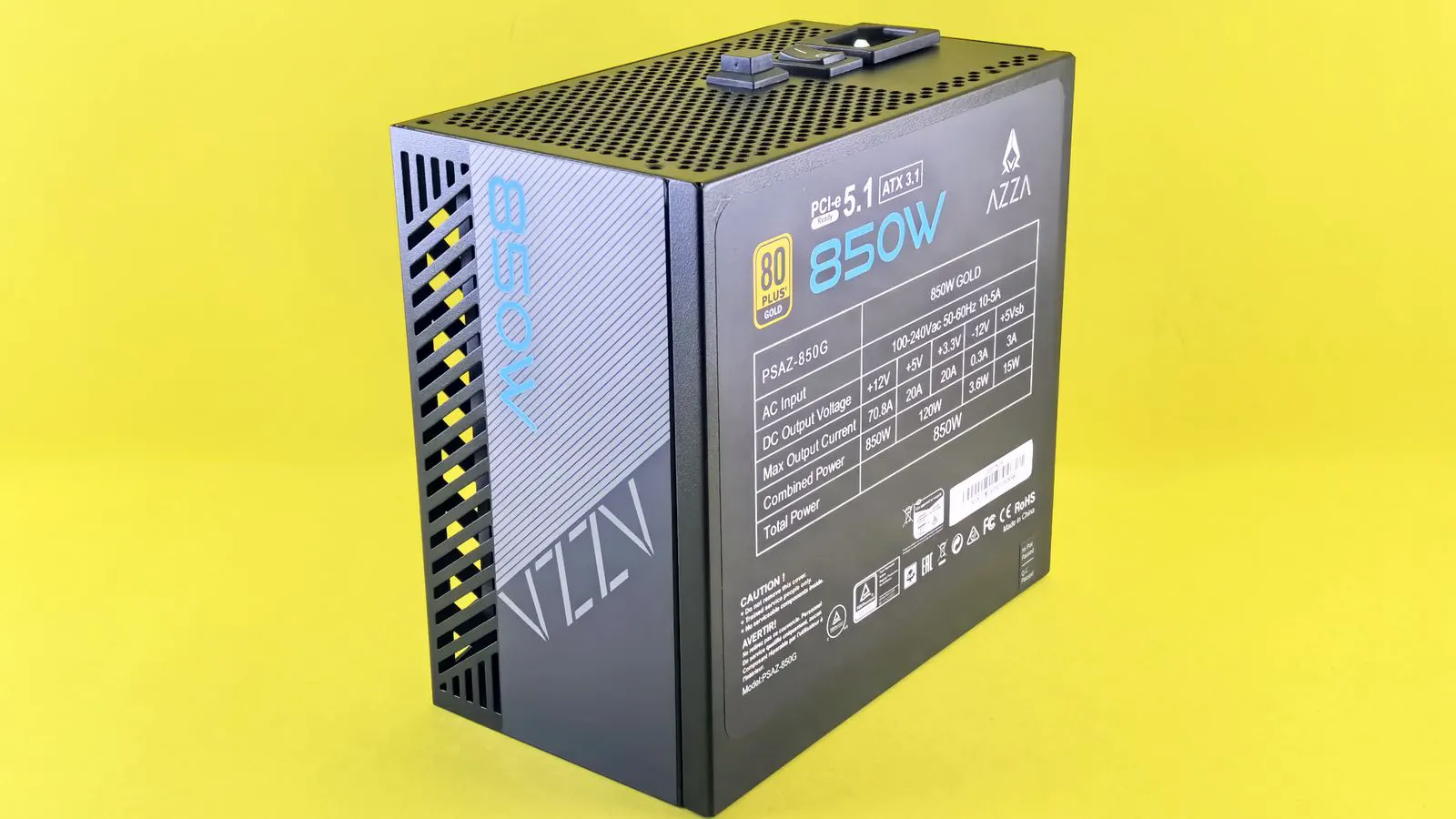
In North America, UL or cUL listings are common for industrial equipment. These are third-party evaluations by testing laboratories. UL 60950-1 covers safety for IT equipment, while UL 62368-1 is the newer standard for audio/video and similar equipment. For industrial power supplies, the specific standard may vary based on the application. Always verify the exact standard number on the nameplate.
For other regions, local certifications may apply. Japan has PSE, Korea has KC, and Australia has RCM. If you are importing a power supply, check the specific requirements of the destination country. Importing a unit without the correct certification can lead to rejection at customs or failure during a local electrical inspection.
How to Protect Against Electrical Transients
Harsh environments often have unstable power grids. Voltage spikes, sags, and surges are common. A power supply must be able to ride through these disturbances without shutting down or damaging connected loads.
Look for surge protection features. Many industrial power supplies include transient voltage suppression (TVS) diodes or metal oxide varistors (MOVs) on the AC input. These devices clamp voltage spikes to a safe level. The energy absorption rating of these components matters. A low-energy TVS diode may fail after a few large spikes, while a high-energy MOV can absorb more energy before degrading.
Also check the startup surge current. Large inductive loads, such as motor drives or welding machines, draw high current when starting. This can cause the power supply to fold back or shut down if the inrush current exceeds its limit. A power supply with a soft-start circuit or a high inrush current tolerance is better suited for these applications. If you are powering a sensitive control system, consider adding an external surge protector or a UPS for additional protection.
Physical Build and Environmental Resistance
The physical construction of the power supply indicates its durability. Look for a metal chassis rather than a plastic one. Metal chassises offer better thermal dissipation and mechanical strength. They also resist UV degradation, which is a problem for plastic parts in outdoor or sunlight-exposed environments.
Check the connectors. Industrial power supplies often use terminal blocks or heavy-duty connectors like M12 or M16. These are designed to withstand vibration and frequent plugging and unplugging. Avoid power supplies with small, fragile DC connectors for high-current applications. The connector must be rated for the current draw.
Corrosion resistance is another factor. If the power supply will be exposed to salt air, chemical fumes, or humidity, look for a powder-coated finish or a corrosion-resistant alloy. The terminals should be plated, such as tin or nickel, to prevent oxidation. Regular inspection of the terminals for signs of corrosion or loose connections is a good maintenance practice.
A Practical Checklist for Selection
Before finalizing the purchase, run through this checklist to ensure the power supply meets the site requirements.
- Verify the IP rating. Confirm that the power supply and its enclosure together provide the required protection level for dust, water, and solids.
- Check the temperature range. Ensure the maximum operating temperature covers the highest ambient temperature expected at the site, including derating for high loads.
- Identify the required certifications. Confirm that the unit carries the correct safety marks for the destination market, such as CE, UL, or local equivalents.
- Review surge protection. Check for built-in TVS diodes or MOVs and verify the energy absorption rating if the site has frequent power disturbances.
- Inspect the physical build. Look for a metal chassis, heavy-duty connectors, and corrosion-resistant finishes suitable for the environment.
- Confirm the nameplate data. Ensure the voltage, current, and power ratings on the nameplate match the load requirements and the site electrical specifications.
A certified industrial power supply is not just a component; it is a safety-critical part of the system. Choosing the right one requires attention to detail. The specifications on the datasheet are a starting point, but the real test is how the unit performs in the specific conditions of your facility. By matching the IP rating, thermal limits, and certifications to the site hazards, you reduce the risk of failure and ensure that the power supply delivers reliable operation for its intended life.
Frequently asked questions
Can I install a consumer-grade power supply in an industrial environment?
No. Consumer-grade units lack the thermal tolerance, surge protection, and safety certifications required for industrial use. They will fail prematurely and may create a safety hazard.
What is the difference between CE and UL certification?
CE is a self-declared mark for the European Economic Area, indicating compliance with EU directives. UL is a third-party listing for North America, indicating the product has passed safety tests at a laboratory.
How do I know if my power supply needs a higher IP rating?
Assess the site hazards. If the area is exposed to dust, mist, or water jets, you need a higher IP rating. IP54 is a common baseline for wet/dusty areas, but IP65 or higher may be needed for washdown or outdoor use.
Does the power supply itself have an IP rating?
Usually, the power supply has a low rating, such as IP20. The IP rating for the installation is determined by the enclosure. You must use an enclosure that raises the protection level to match the site requirements.
What happens if the ambient temperature exceeds the power supply's limit?
The internal components may overheat, leading to reduced performance, derating of output power, or permanent damage. Always check the derating curve and ensure adequate ventilation.