Troubleshooting DC-DC Ripple in Sensitive Sensor and Control Loops
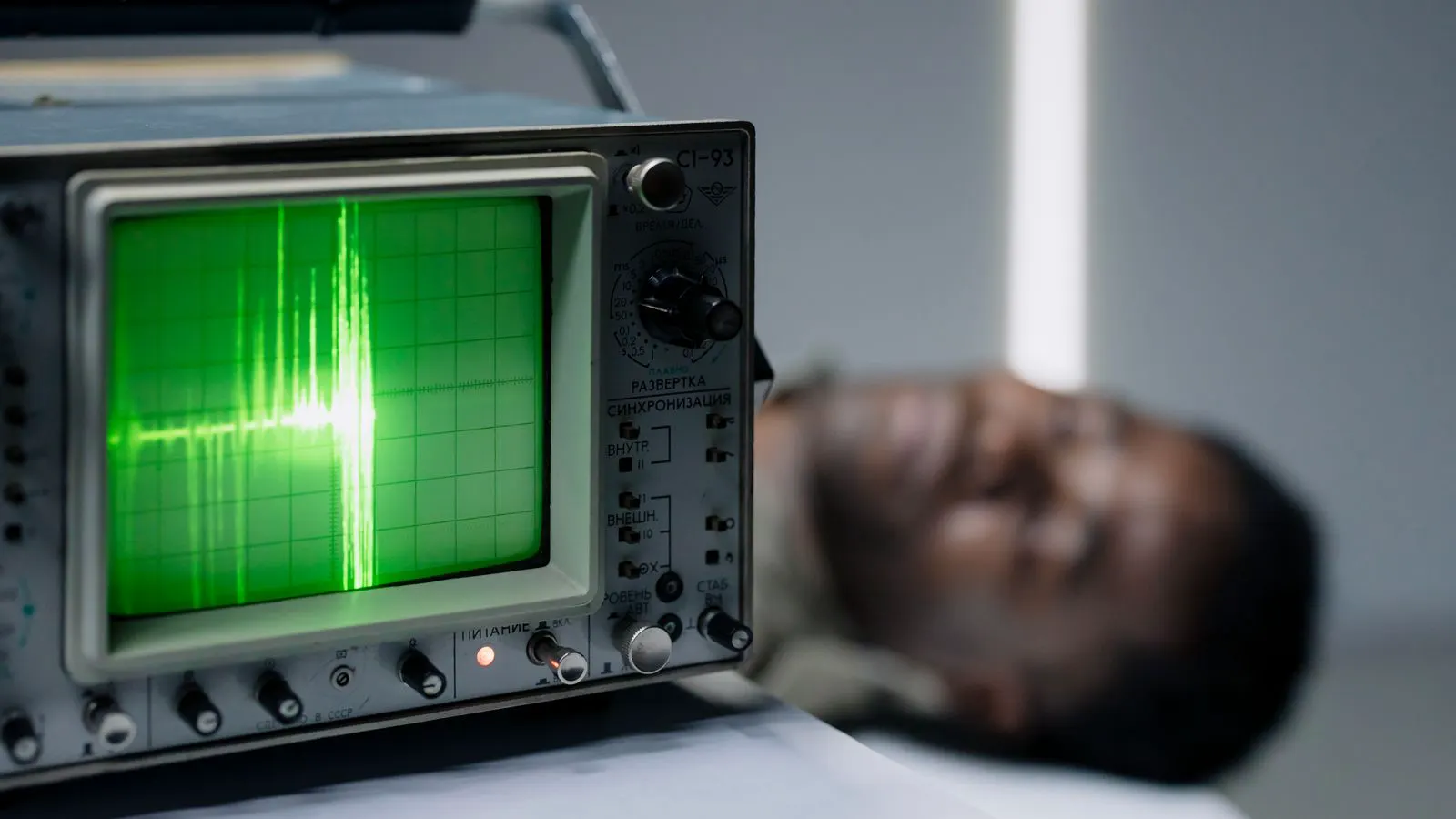
DC-DC ripple degrades signal integrity in sensitive control loops by adding high-frequency noise to power rails. Engineers can isolate the issue using oscilloscopes and
Practical power selection, supplier vetting, and thermal management for industrial buyers.
Buyers face a dense set of technical decisions when selecting industrial power supplies. Voltage ratings, efficiency class, enclosure type, and compliance documents all shape procurement outcomes. This site breaks those decisions into clear criteria so engineering and purchasing teams can compare options on technical merit rather than vendor claims.
The sections cover AC-DC power supplies, DC-DC converters, industrial and medical power, efficiency and thermal design, safety standards, cost and lead time, and supplier selection. Each article focuses on the variables that drive performance in real installations, from ambient temperature limits to input filtering requirements. The goal is to provide a working reference for spec sheets, qualification testing, and supplier negotiations.
Start with the stage of the sourcing process you are in.
Practical guides on selecting AC-DC units, covering output ratings, isolation, and efficiency for industrial loads.
Clear explanations of DC-DC converters, including efficiency, ripple, and sizing for battery and rail applications.
Vendor-neutral insights into power requirements, reliability, and compliance for industrial and medical equipment.
How to evaluate efficiency, thermal design, and heat dissipation in power supplies to avoid derating and failure.
Plain-language overviews of safety standards, certifications, and compliance checks for industrial power products.
Practical guidance on pricing factors, lead times, and inventory planning for industrial power supply procurement.
How to evaluate suppliers, verify capabilities, and reduce risk when sourcing industrial power supplies.
DC-DC ripple degrades signal integrity in sensitive control loops by adding high-frequency noise to power rails. Engineers can isolate the issue using oscilloscopes and

This audit checklist verifies isolation levels, output ripple, thermal margins, and failure modes for isolated DC-DC converters in rail transit. It helps buyers confirm

Linear AC-DC supplies produce low noise but waste power as heat. Switching units run efficiently but need filtering. The choice depends on your load sensitivity, size

Use a systematic audit to verify PSU output ripple, DC-DC noise, and industrial power quality. This checklist guides integrators through pre-commissioning checks, red

This checklist provides a structured method for verifying DC-DC efficiency and thermal specifications before purchase. It covers datasheet validation, load testing, and

Future industrial power supply selection requires planning for tighter thermal management constraints, new solid-state cooling methods, and higher baseline efficiency

Repeated power supply failures in vibrating machinery often stem from mechanical stress, not electrical faults. Inspect mounting hardware, inspect solder joints, verify

Closed cabinets trap heat from power supplies, causing throttling and early failure. This checklist verifies airflow paths, ventilation gaps, and thermal derating to

An isolated power supply keeps the secondary side electrically separated from earth, while a non-isolated unit connects one side to ground. Isolation reduces shock risk

Custom AC-DC power supplies take significantly longer than standard units due to component sourcing, design approval, and quality testing. This guide explains the
Switched-mode supplies offer higher efficiency and smaller form factors, making them suitable for most industrial loads. Linear supplies provide lower output noise and simpler filtering, which matters for sensitive analog or medical equipment.
AC-DC supplies convert mains power to a fixed or regulated DC output. DC-DC converters take a DC input and change the voltage level, often used to power downstream electronics from a single bus or battery source.
Exceeding the rated ambient temperature reduces efficiency, stresses solder joints, and can trigger derating or shutdown. Proper thermal design requires adequate airflow, correct enclosure material, and margin for worst-case installation conditions.
Requirements depend on the application and region. Medical devices require IEC 60601 compliance. General industrial equipment often follows IEC 60950 or IEC 62368, while electrical installations may reference IEC 60335 for safety of household and similar appliances.
Custom and high-reliability units often have longer lead times than standard off-the-shelf products. Buyers should confirm stock availability, minimum order quantities, and whether the supplier maintains buffer stock to avoid production delays.
Review the supplier's ISO 9001 certification, request sample units for bench testing, and verify compliance documentation. Check for traceability data, failure rate reports, and the process they use for incoming component inspection.