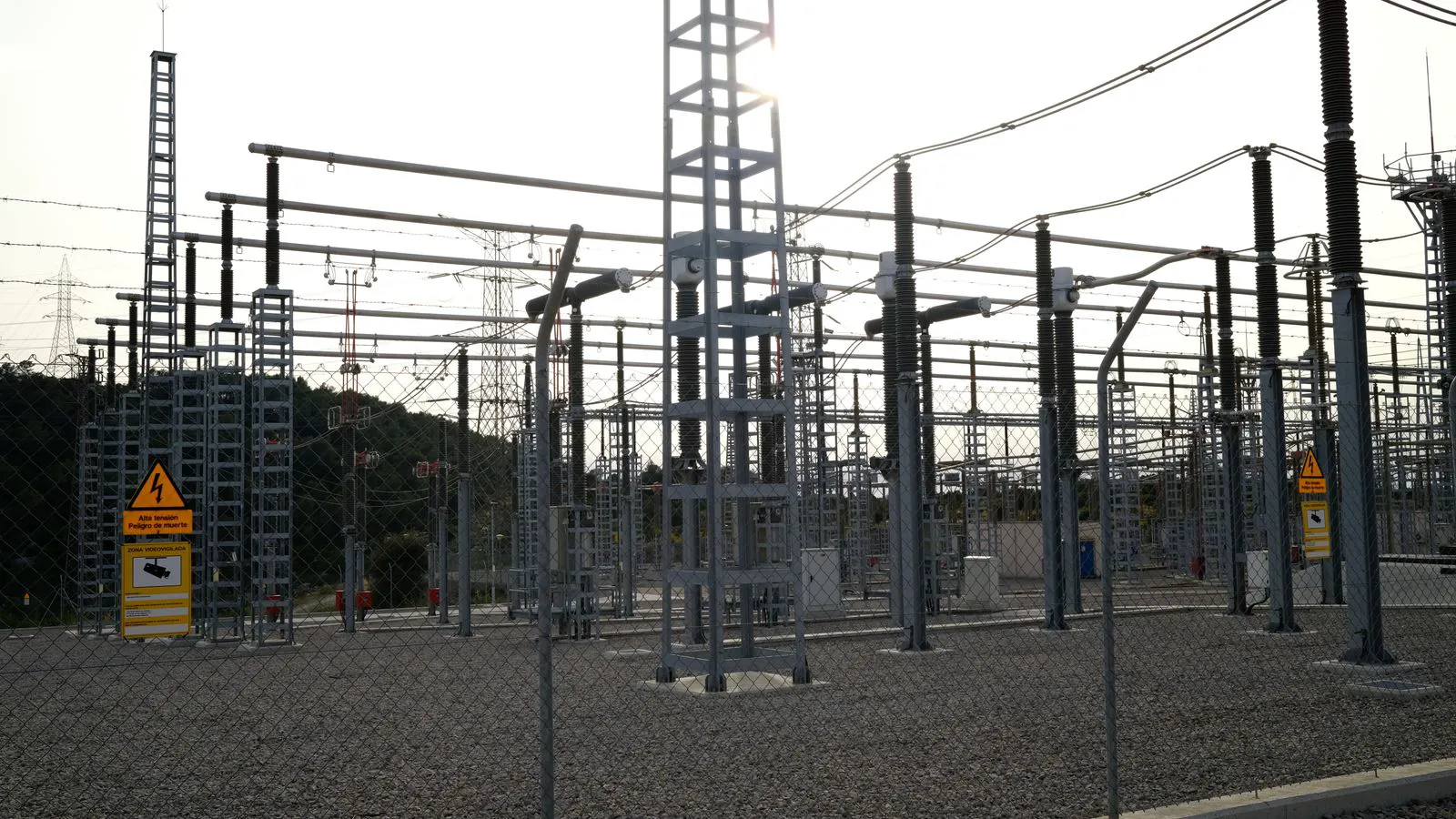
Medical Grade PSU vs Industrial PSU: Key Differences
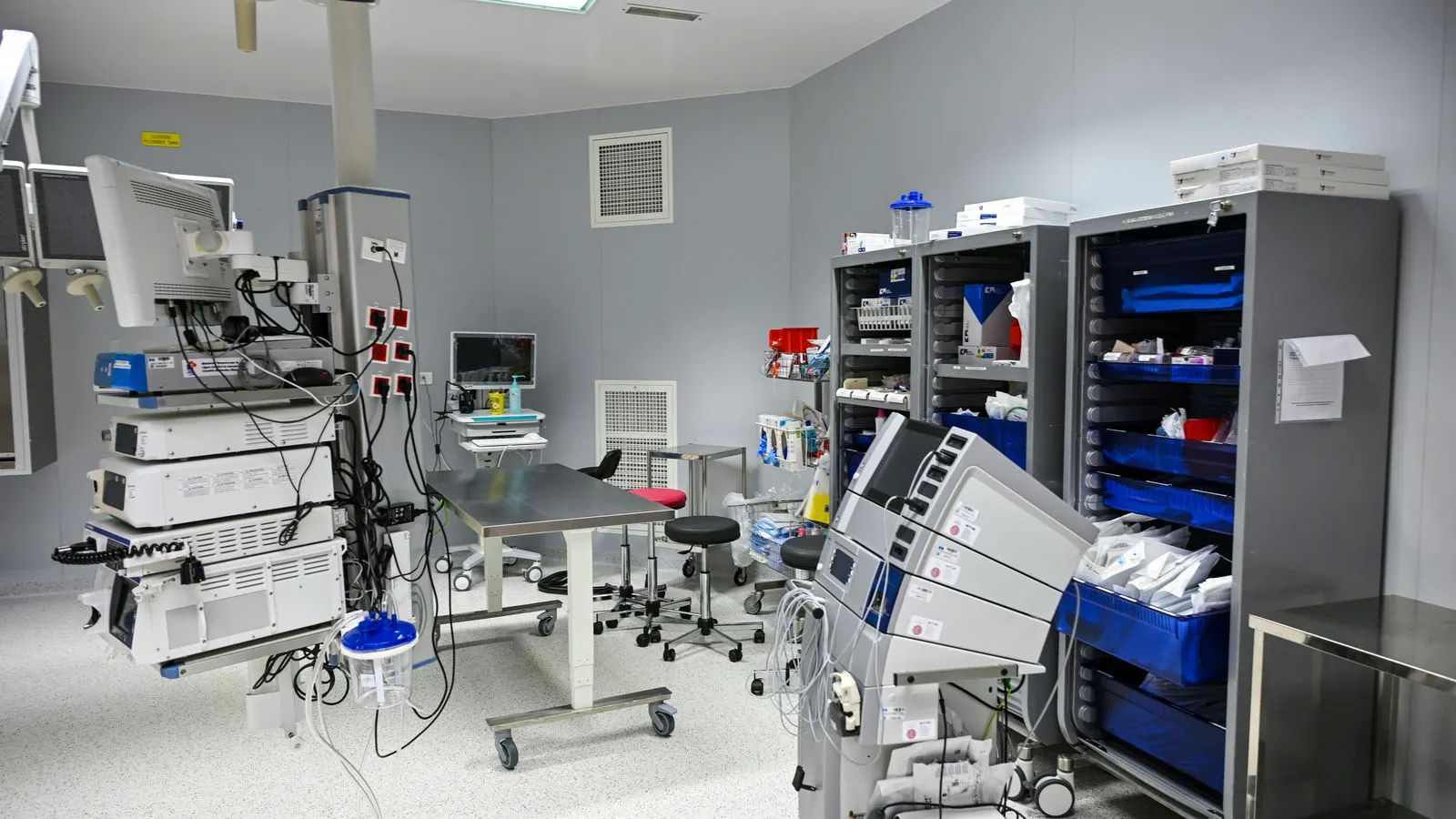
A medical grade PSU adds isolation, monitoring, and compliance features absent in a standard industrial power supply. Engineers must match the unit to the application risk profile, not just the voltage requirement.
- Medical grade PSUs include reinforced insulation and monitoring for patient safety.
- Industrial power supplies prioritize ruggedness and high power density for harsh environments.
- Selection depends on the specific risk assessment for the target application.
- Verify compliance documentation before finalizing a purchase decision.
How to Distinguish Medical Grade PSUs from Industrial Units
Engineers often confuse these two categories because both deliver stable DC power. The difference lies in the safety architecture and the regulatory burden. A medical grade PSU is designed to protect a patient from electrical shock. An industrial power supply is designed to protect equipment from voltage spikes and environmental stress.
The primary distinction is the isolation barrier. Medical units require a double or reinforced insulation structure with a specific creepage distance. Industrial units use standard single insulation unless specified otherwise. This physical difference changes the component selection and the testing protocols during manufacturing.
When reviewing a datasheet, look for the IEC 60601-1 reference. This standard governs medical electrical equipment safety. If the unit is intended for a medical application, the power supply must be certified to this standard, even if it sits inside a larger medical device.
Safety Architecture and Insulation Requirements
The core of a medical grade PSU is the dielectric barrier between the primary side and the secondary side. This barrier prevents leakage current from reaching a patient.
Industrial power supplies use standard creepage distances. They are rated for general industrial use where a person is unlikely to make direct contact with live parts during normal operation.
Medical units require reinforced insulation. This means the insulation must withstand a specific test voltage for a set duration. The physical size of the unit increases. The components must have higher insulation ratings. The PCB layout must maintain specific distances between traces.
This architecture increases cost. It also increases the board area. For a compact application, the medical grade PSU will be larger than a standard industrial unit of the same wattage.
Compliance Standards and Documentation
Regulatory compliance is the main driver for choosing a medical grade PSU. The unit must meet specific standards for safety and performance.
IEC 60601-1 is the baseline for medical electrical equipment. It defines the safety requirements for the power supply. IEC 62368-1 is the general audio and video equipment standard, but it also covers medical applications.
Industrial power supplies typically follow IEC 61000-6-1 for electromagnetic compatibility. They may also meet IEC 60950-1 or its successor. These standards focus on equipment safety and EMC.
The documentation differs significantly. A medical grade PSU comes with a certificate of conformity for the specific safety standard. It includes test reports for leakage current, dielectric withstand, and insulation resistance.
An industrial power supply documentation focuses on efficiency, thermal derating curves, and EMC test results. It may include a UL listing or CE mark for general industrial use.
Environmental Tolerance and Ruggedness
Industrial power supplies are built for harsh environments. They often feature convection cooling or forced air cooling with dust protection.
Medical power supplies are usually designed for clean room or controlled environment use. They may have sealed enclosures to prevent contamination. The cooling method is typically passive or low-noise forced air to avoid disturbing sensitive medical equipment.
The operating temperature range differs. Industrial units often support a wider range, from low ambient to high heat. Medical units are designed for the typical operating conditions of a hospital or clinic.
The enclosure material matters. Industrial units use polycarbonate or aluminum with rugged connectors. Medical units use materials that are easy to disinfect and resistant to cleaning agents.
Power Density and Efficiency Trade-offs
Efficiency is a key metric for both types. Industrial power supplies often target high efficiency to reduce energy costs in large installations.
Medical power supplies also target high efficiency, but the design priority is reliability. The components used are selected for long-term stability rather than peak efficiency.
The power density of a medical grade PSU is generally lower than an industrial unit. This is due to the insulation requirements and the cooling constraints. A 100W medical unit will take up more space than a 100W industrial unit.
Engineers must factor in the physical footprint when designing the system. If space is tight, the choice of power supply can limit the maximum power output.
Comparison of Medical and Industrial Power Supply Options
| Option | Best for | Limitations |
|---|---|---|
| Medical Grade PSU | Life support, diagnostic equipment, patient care devices | Higher cost, larger physical size, limited power density |
| Industrial Power Supply | Manufacturing, testing, non-safety-critical industrial equipment | Lacks reinforced insulation, not suitable for direct patient contact |
| Isolated Industrial PSU | Applications needing electrical isolation without medical compliance | Does not meet IEC 60601-1, limited safety documentation |
| Dual-Isolation Industrial PSU | High-EMC industrial environments with some isolation needs | Not designed for medical safety, higher EMI than medical units |
| Custom Medical PSU | Specialized applications with unique compliance or power requirements | Longer lead times, higher unit cost, limited availability |
When to Choose a Medical Grade PSU
Choose a medical grade PSU when the power supply is part of a device that interacts with a patient. This includes life support systems, diagnostic imaging equipment, and patient monitors.
The risk assessment must confirm that the power supply is part of the patient-related equipment. If the supply powers a non-safety-critical part of the device, a standard industrial unit may suffice.
The medical grade PSU provides the necessary safety margins. It reduces the risk of electrical shock. It also provides better noise performance, which is critical for sensitive medical electronics.
The cost is higher. The lead time may be longer. The supplier must be a qualified manufacturer with experience in medical power electronics.
When to Choose an Industrial Power Supply
Choose an industrial power supply when the application is not safety-critical for humans. This includes factory automation, control systems, and testing equipment.
The industrial power supply offers higher power density. It can deliver more watts in a smaller space. It is often cheaper than a medical unit.
The unit is designed to handle voltage fluctuations and temperature extremes. It is suitable for harsh environments. The cooling is more aggressive to maintain performance.
The lack of reinforced insulation is acceptable in these applications. The standard insulation is sufficient for the risk profile.
Verification and Testing Requirements
Before finalizing the selection, verify the compliance status. Request the test reports for leakage current and dielectric withstand. Check the efficiency data under actual load conditions.
Review the thermal derating curves. Ensure the unit can maintain output power at the maximum ambient temperature. Check the connector type and the cable length.
For medical applications, the power supply must be integrated into the device’s risk assessment. The isolation barrier must be part of the overall safety design.
Industrial applications require verification of the EMC performance. The unit must not interfere with other equipment. It must also withstand the specified environmental conditions.
Common Mistakes in Power Supply Selection
Engineers often select a power supply based on voltage and current alone. They ignore the safety and environmental requirements. This leads to compliance failures and field failures.
Another mistake is underestimating the physical size. A medical grade PSU is larger than expected. It does not fit in the allocated space.
The third mistake is assuming that any isolated power supply is medical grade. Isolation is a feature, not a standard. A medical grade PSU must meet specific safety requirements.
Finally, engineers often skip the thermal analysis. They do not account for the heat generated by the power supply. This leads to reduced lifespan and reliability issues.
Frequently asked questions
Can an industrial power supply be used in a medical device?
Only if it meets the specific safety requirements for medical equipment. A standard industrial unit lacks the reinforced insulation and compliance documentation required for patient safety.
What is the main difference between medical and industrial power supplies?
Medical power supplies have reinforced insulation and must meet specific safety standards like IEC 60601-1. Industrial power supplies focus on ruggedness and power density for non-safety-critical applications.
How much larger is a medical grade PSU compared to an industrial unit?
It varies by wattage and design, but medical units are generally larger due to insulation requirements and cooling constraints. The footprint can be significantly bigger for the same power output.
Do industrial power supplies have any safety features?
Yes, they have standard insulation and protection against overvoltage and overcurrent. However, they do not have the reinforced insulation or specific safety testing required for medical applications.
Can a custom power supply be both medical and industrial?
It is possible, but it is rare. The design priorities conflict. Medical units prioritize safety and reliability. Industrial units prioritize power density and ruggedness. A custom design must balance these trade-offs carefully.