Comparison: Single vs Multi-Output Industrial Power Supplies
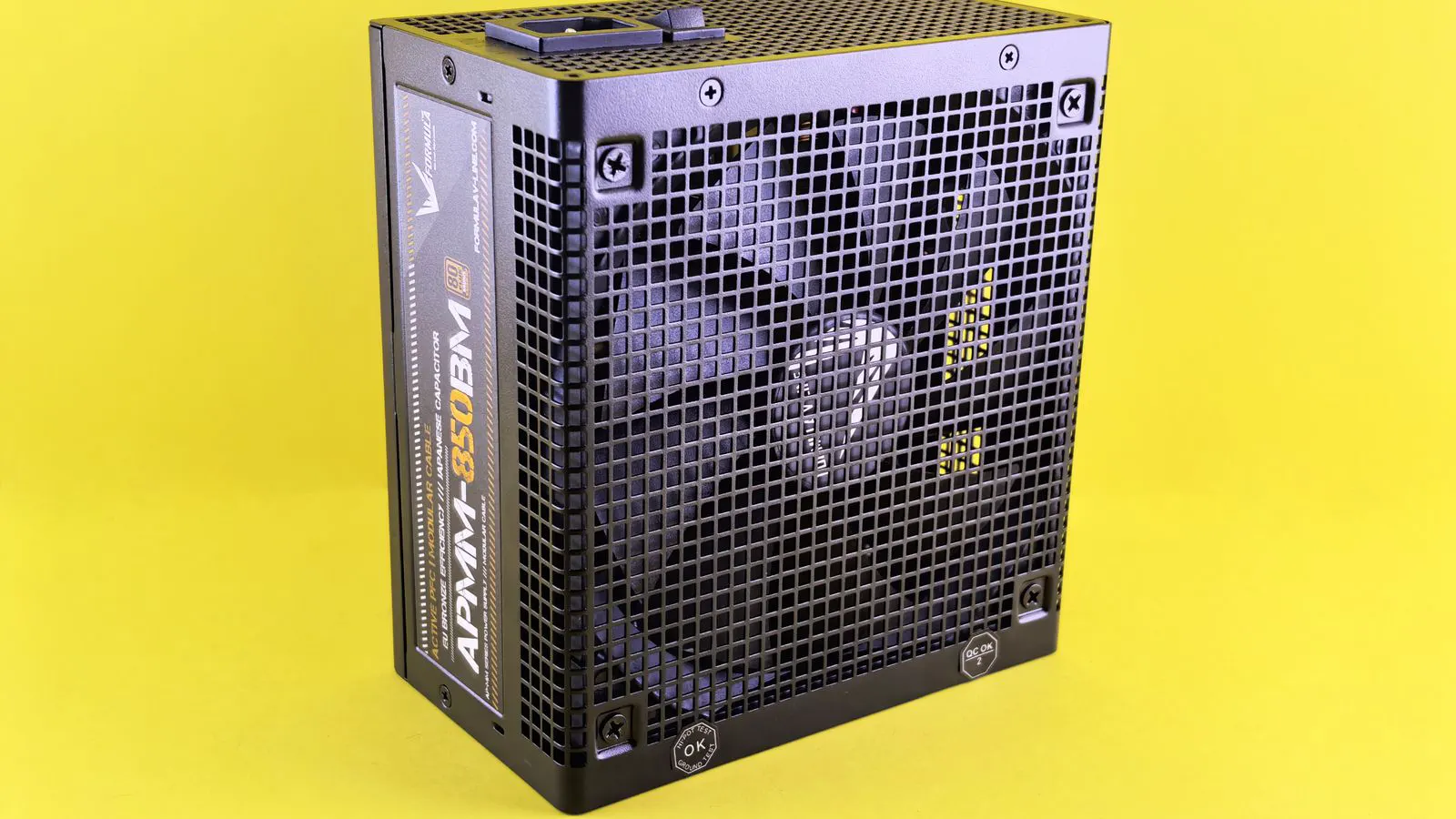
A multi-output power supply reduces part count and wiring complexity, but a single-output unit often costs less and simplifies load balancing. The right choice depends on your system architecture, total power draw, and maintenance preferences.
- Multi-output units consolidate power delivery, reducing wiring and enclosure space but increasing single-point failure risk.
- Single-output supplies offer lower per-unit cost and easier load balancing across multiple rails.
- Total power consumption and ripple requirements must drive the final selection, not just the number of outputs.
- Verify isolation ratings and environmental specs before assuming a multi-output unit fits a harsh environment.
- Review the datasheet for output regulation and transient response before committing to a specific configuration.
What is a multi-output power supply
A multi-output power supply delivers multiple voltage levels from one enclosure. Common configurations include 12 V and 24 V rails, or 5 V, 12 V, and 24 V rails, all powered from a single AC input. This design is common in control cabinets, embedded systems, and industrial automation racks.
The core benefit is consolidation. Instead of installing two or three separate single-output units, you install one module. This reduces the number of DIN rail mounts, terminal blocks, and wire runs. It also simplifies the front-panel labeling, which helps during commissioning.
However, consolidation changes the failure mode. If the main power converter inside the unit fails, all outputs go down together. In a single-output system, a failure on the 12 V rail does not necessarily take down the 24 V rail. This distinction matters when your system has critical safety circuits that must remain powered during a fault.
How to compare single vs multi-output PSU options
The comparison between a multi-output power supply and a single-output alternative comes down to system architecture, not just voltage needs. Before selecting a unit, map out every load in the cabinet. List the voltage, current, and power consumption for each component. Group them by voltage. If you have significant loads on both 12 V and 24 V, a multi-output unit is worth serious consideration. If one voltage dominates the power budget, a single-output unit for that voltage plus a smaller converter for the rest may be better.
| Option | Best for | Limitations |
|---|---|---|
| Single-output power supply | Systems with one dominant voltage rail or low total power draw | Requires multiple units for mixed-voltage systems, increasing cabinet space and wiring |
| Multi-output power supply (2 rails) | Cabinets with balanced loads on two voltage levels, such as 12 V and 24 V | All outputs fail together; harder to isolate a faulty rail |
| Multi-output power supply (3+ rails) | Embedded systems requiring 5 V, 12 V, and 24 V from one AC source | Higher unit cost; limited headroom for future load expansion |
| Modular multi-output configuration | Systems where you can swap individual output modules later | More complex cabling; requires a backplane or distribution board |
| Isolated multi-output design | Applications needing galvanic isolation between AC input and each DC output | Higher cost; bulkier form factor due to transformer isolation |
When to pick a multi-output power supply
Choose a multi-output power supply when your system has two or more voltage rails that are always active. Control cabinets often run PLCs on 24 V while sensors and logic boards run on 12 V. A single unit handling both reduces the number of power bricks you need to buy, test, and install. It also simplifies the power budget calculation because you deal with one input current draw instead of two.
This approach works best when the loads are relatively stable. If your 12 V load spikes significantly while the 24 V load stays flat, the multi-output unit must have enough headroom on the 12 V rail to absorb the transient without dragging down the 24 V output. Check the datasheet for cross-regulation specifications. This metric tells you how much the 24 V output will shift when the 12 V load changes. If cross-regulation is high, you may need to size the unit larger than the nominal load requires.
Another reason to pick a multi-output unit is enclosure space. In a tight panel, every square centimeter matters. One unit takes less physical space than two. It also reduces the number of AC input connections and the associated thermal management challenges.
When to pick a single-output power supply
A single-output power supply makes sense when your system has one primary voltage requirement. If 90 percent of your power draw is on 24 V, and you only need a small amount of 12 V for a few indicator lights, do not buy a multi-output unit just to cover that small load. Instead, use a 24 V supply for the main load and a small 12 V converter or a linear regulator for the minor load.
This approach lowers the initial cost. A single-output unit is typically cheaper than a multi-output unit of equivalent total power. It also makes maintenance easier. If the 12 V converter fails, you replace a small part without risking the 24 V bus. In a multi-output unit, a failure on the 12 V rail can sometimes trigger a protection circuit that shuts down the entire module, even if the 24 V rail is healthy.
Single-output supplies are also better for systems where you expect the load to change significantly over time. You can add or remove a single-output unit without re-wiring the entire cabinet. With a multi-output unit, you are locked into the output configuration the manufacturer provided. If your design changes and you need a third voltage rail, you must replace the whole unit.
Sizing and thermal considerations
Sizing a power supply is not just about matching the total wattage. You must account for the power factor, the efficiency curve, and the ambient temperature of the cabinet. Industrial cabinets often run hot. If your cabinet has poor ventilation, the temperature inside can exceed the rated operating temperature of the power supply. This reduces the usable life and may require you to derate the unit.
For a multi-output power supply, check the power dissipation for each rail separately. Some units share a common heat sink, which means the total power dissipation is the sum of all outputs. Others have separate thermal paths. If the unit is rated for 100 W total, and you are running 60 W on one rail and 40 W on another, you are at the limit. If you add a new load, you may exceed the thermal limit even if the total wattage is under the maximum rating.
Always leave headroom. A common practice is to size the power supply for 20 to 30 percent above the maximum expected load. This headroom protects the unit during startup transients, when inrush current can spike. It also gives you room for future expansion without replacing the unit.
Installation and wiring best practices
Wiring a multi-output power supply requires careful planning. Use separate wire colors for each output rail. Label the terminals clearly. A common mistake is using the same wire gauge for all outputs. The 24 V rail may carry less current than the 12 V rail, but the 12 V rail may need a thicker wire to handle the higher current. Size the wires based on the current, not the voltage.
Keep the AC input wiring separate from the DC output wiring. Run them in different cable trays or use conduit to maintain the required separation distance. This prevents electromagnetic interference from the AC line from affecting the sensitive DC circuits. In a control cabinet, even small amounts of noise can cause logic errors in PLCs and sensors.
Use terminal blocks or a distribution board to organize the DC outputs. This makes it easier to troubleshoot and to add loads later. If you use a backplane or a multi-output distribution module, ensure it is rated for the total current of all outputs. A backplane that is under-rated will overheat and cause intermittent connections.
Final selection checklist
Use this checklist to verify your selection. First, confirm the total power draw for each voltage rail. Second, check the cross-regulation and transient response specs if you are using a multi-output unit. Third, verify the isolation rating between the AC input and each DC output. Fourth, check the operating temperature range against your cabinet environment. Fifth, review the mechanical dimensions and mounting requirements.
A multi-output power supply is not always the better choice. It is a trade-off between consolidation and isolation. If your system requires high reliability and you can afford the extra cost of separate units, a single-output approach may be safer. If you need to save space and simplify wiring, and your loads are stable, a multi-output unit is the practical choice.
Review the datasheet carefully. Look for application notes that describe typical load scenarios. If the manufacturer does not provide this information, contact their application engineer. They can help you determine if the unit is suitable for your specific load profile. Do not guess. A mis-sized power supply can fail prematurely, causing downtime and repair costs.
Make sure you have a spare unit in stock. Industrial power supplies have a mean time between failures. Having a spare on the shelf reduces the impact of a failure. This is especially true for multi-output units, where a single failure shuts down all outputs.
Frequently asked questions
Can I replace a single-output power supply with a multi-output one without changing the wiring?
No. The wiring configuration will be different. A multi-output unit has multiple DC output terminals, while a single-output unit has one. You will need to rewire the cabinet to match the new terminal layout.
Is a multi-output power supply more reliable than two single-output units?
Not necessarily. A multi-output unit is a single point of failure. If the main converter fails, all outputs go down. Two single-output units provide redundancy on different voltage rails.
Do I need a separate fuse for each output rail on a multi-output power supply?
It depends on the unit. Some multi-output units have internal fusing or protection. Others require you to add external fuses to the output lines. Check the datasheet and follow local electrical codes.
What is the difference between a modular multi-output supply and a fixed multi-output supply?
A modular unit allows you to swap out individual output modules if one fails. A fixed unit is a single sealed enclosure. If a fixed unit fails, you replace the entire unit.
How much headroom should I add when sizing a multi-output power supply?
A general rule is to size the unit for 20 to 30 percent above the maximum expected load. This accounts for transients, ambient temperature, and future load increases.